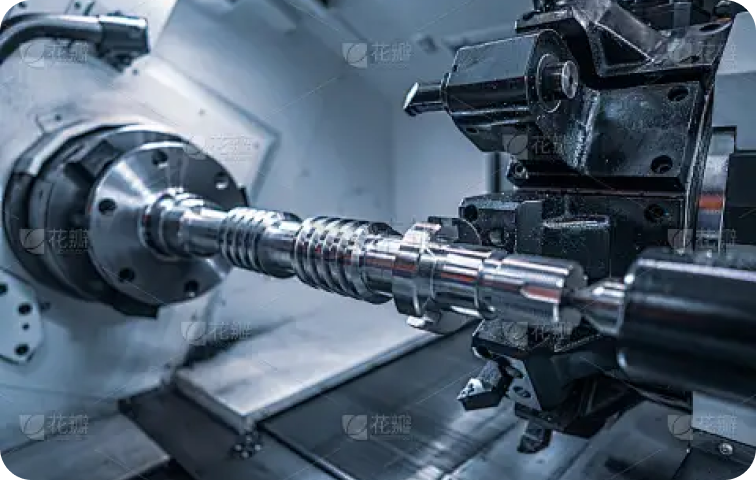
In humanoid robots, automated precision equipment, and intelligent manufacturing lines, precision planetary reducers are the core power transmission components, and their operating stability and service life directly determine the overall accuracy, operating efficiency, and production costs of the equipment.At this stage, there are many industrial application scenarios where the reducer is scrapped in advance before the design life is reached, which is manifested in the failure of transmission jamming, loss of accuracy, gear wear, abnormal noise and oil leakage, etc., resulting in equipment downtime, reduction of production capacity, surge in maintenance costs, etc., which has become a common pain point in the operation and maintenance of precision automation equipment.In-depth analysis of the reasons for scrapping and the precautions for standardized operation and maintenance are essential to extend the life of the equipment and ensure the stable operation of the production line.
Through industry measurement and working conditions investigation, the early scrapping of precision planetary reducers mainly focuses on the four core dimensions of selection, installation, working conditions, and operation and maintenance.First of all, the selection matching degree is insufficient. Some enterprises compress costs and simplify the selection process. Without combining the equipment load, speed, and impact conditions to match the specifications, long-term overload operation and instantaneous load exceeding the standard will cause continuous fatigue damage to gears and bearings, and accelerate the aging and scrapping of components.Secondly, the installation process is not standardized. If the assembly coaxiality deviates, the fixed fastening is not in place, and the installation inclination exceeds the standard, the transmission eccentricity and local stress concentration will be caused, resulting in abnormal wear of the tooth surface and bearing stuck, which will greatly shorten the service life of the equipment.
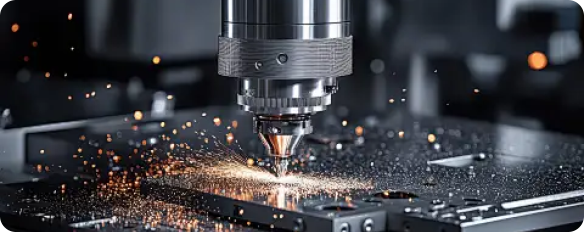
In humanoid robots, automated precision equipment, and intelligent manufacturing lines, precision planetary reducers are the core power transmission components, and their operating stability and service life directly determine the overall accuracy, operating efficiency, and production costs of the equipment.At this stage, there are many industrial application scenarios where the reducer is scrapped in advance before the design life is reached, which is manifested in the failure of transmission jamming, loss of accuracy, gear wear, abnormal noise and oil leakage, etc., resulting in equipment downtime, reduction of production capacity, surge in maintenance costs, etc., which has become a common pain point in the operation and maintenance of precision automation equipment.In-depth analysis of the reasons for scrapping and the precautions for standardized operation and maintenance are essential to extend the life of the equipment and ensure the stable operation of the production line.
Through industry measurement and working conditions investigation, the early scrapping of precision planetary reducers mainly focuses on the four core dimensions of selection, installation, working conditions, and operation and maintenance.First of all, the selection matching degree is insufficient. Some enterprises compress costs and simplify the selection process. Without combining the equipment load, speed, and impact conditions to match the specifications, long-term overload operation and instantaneous load exceeding the standard will cause continuous fatigue damage to gears and bearings, and accelerate the aging and scrapping of components.Secondly, the installation process is not standardized. If the assembly coaxiality deviates, the fixed fastening is not in place, and the installation inclination exceeds the standard, the transmission eccentricity and local stress concentration will be caused, resulting in abnormal wear of the tooth surface and bearing stuck, which will greatly shorten the service life of the equipment.